
Anúncios
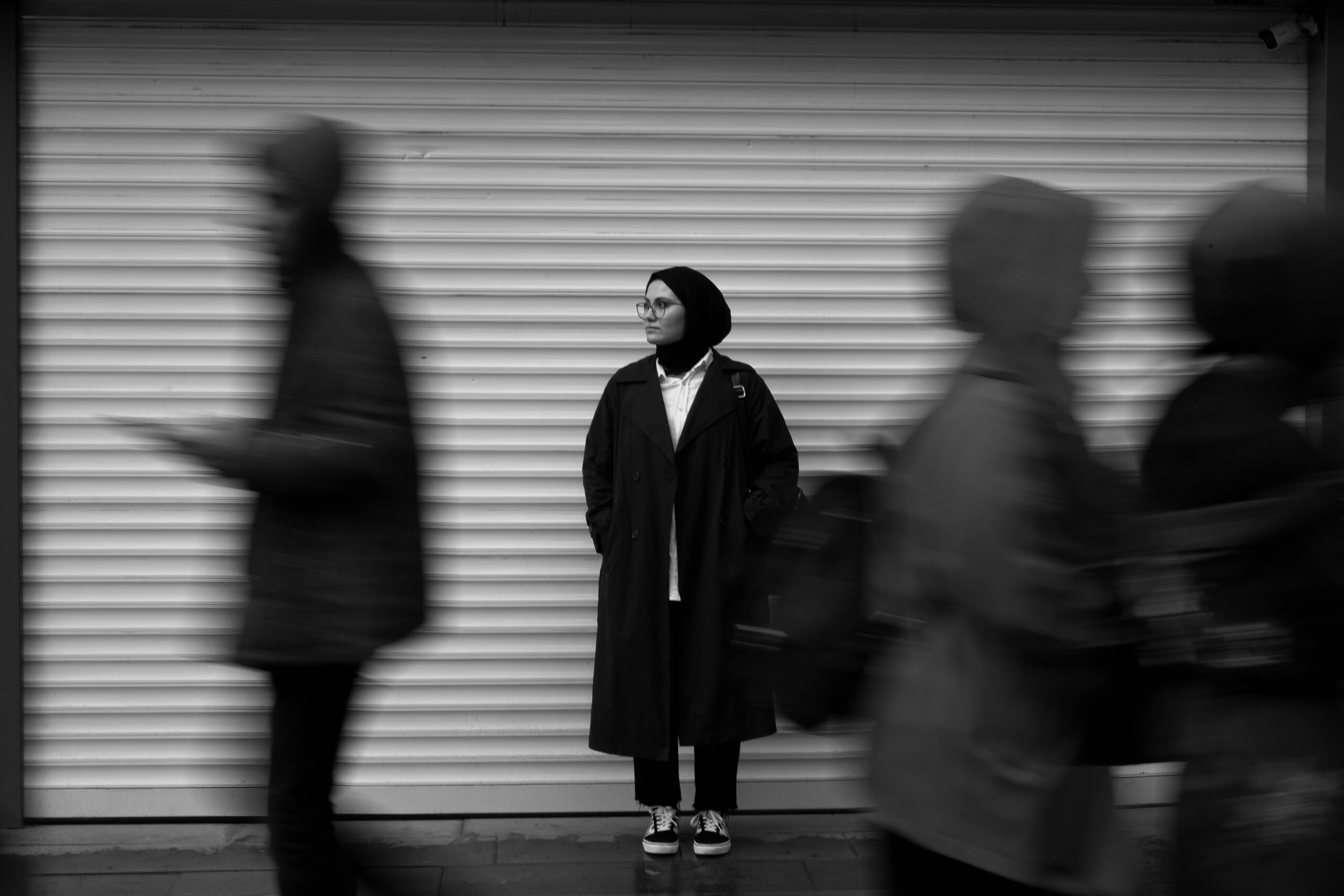
In a world more connected than ever, millions still experience the profound loneliness of feeling invisible, as if their existence barely registers in the digital noise.
We live in an age where our lives are broadcast across multiple platforms, yet paradoxically, many of us struggle with an overwhelming sense of being unseen. The digital revolution promised to bring us closer together, but for countless individuals, it has amplified an ancient human fear: the terror of being overlooked, dismissed, or forgotten entirely.
Anúncios
This invisible self—the part of us that yearns for recognition, validation, and genuine connection—often suffers in silence behind curated profiles and carefully filtered photographs. Understanding this phenomenon isn’t just an intellectual exercise; it’s essential for our collective mental health and social wellbeing in the 21st century.
🎭 The Paradox of Hyper-Connectivity and Invisibility
The modern digital landscape presents a fascinating contradiction. We have unprecedented access to communication tools, social media platforms, and networking opportunities. Yet research consistently shows rising rates of loneliness, social anxiety, and feelings of disconnection across all age groups.
Anúncios
According to recent studies, nearly 60% of adults report feeling like no one truly knows them, despite maintaining active social media presences. This isn’t simply about physical isolation—it’s about emotional and existential invisibility in spaces crowded with virtual bodies.
The hyper-connected world creates an illusion of presence without substance. We scroll through hundreds of posts daily, liking and commenting, yet rarely engaging in the deep, meaningful exchanges that make us feel truly seen. The result is a peculiar form of social starvation amid apparent abundance.
When Quantity Replaces Quality
Social media metrics have transformed human validation into quantifiable data. Followers, likes, views, and shares become the currency of visibility. But these numbers rarely translate into genuine recognition of who we are beneath the surface.
Many people report feeling most invisible precisely when they’re most “visible” online. A post might receive dozens of reactions, yet leave the author feeling emptier than before, because those interactions lack depth, authenticity, and real understanding.
📱 The Architecture of Digital Invisibility
Platform algorithms play a significant role in determining who gets seen and who doesn’t. These systems prioritize content based on engagement metrics, creating winners and losers in the visibility lottery. Your thoughts, creativity, or vulnerability might never reach your intended audience simply because the algorithm decided your content wasn’t “engaging” enough.
This algorithmic gatekeeping creates a new form of social hierarchy where visibility becomes increasingly concentrated among those who master the platform’s preferences, leaving many feeling systematically overlooked regardless of the value they bring.
The Echo Chamber Effect
Algorithms also create echo chambers that paradoxically increase invisibility. When we’re only exposed to similar voices and perspectives, entire groups of people become invisible to each other. This fragmentation of the digital space means that being overlooked isn’t always personal—sometimes entire communities simply don’t exist in each other’s feeds.
The result is a fractured social landscape where people shout into voids, hoping someone—anyone—will notice, while simultaneously being unable to see countless others doing the same thing in parallel digital spaces.
💔 The Psychological Cost of Feeling Unseen
The fear of invisibility isn’t superficial vanity—it taps into fundamental human needs. Psychological research has consistently demonstrated that being seen, acknowledged, and recognized are core components of mental health and identity formation.
When people feel chronically overlooked, several psychological consequences emerge:
- Diminished self-worth: Persistent invisibility leads people to question their value and significance
- Identity confusion: Without external validation, some struggle to maintain a coherent sense of self
- Social withdrawal: The pain of being overlooked often leads to further isolation
- Performance anxiety: Desperation for visibility can create exhausting pressure to constantly perform and prove worthiness
- Depression and anxiety: Chronic feelings of invisibility correlate strongly with mental health challenges
The Neuroscience of Recognition
Brain imaging studies reveal that social rejection and invisibility activate the same neural pathways as physical pain. When we feel overlooked, our brains literally process this as a form of hurt. This isn’t emotional weakness—it’s biological reality hardwired into our social species.
The need to be seen activated reward centers in the brain when fulfilled, releasing dopamine and other feel-good chemicals. Conversely, being ignored or dismissed triggers stress responses that can have lasting health impacts when chronic.
🌍 Cultural Dimensions of Invisibility
The fear of being overlooked isn’t distributed equally across society. Certain groups experience systematic invisibility that goes far beyond individual psychology, rooted in historical and structural factors.
Marginalized communities—including racial minorities, LGBTQ+ individuals, people with disabilities, and the elderly—often face compounded invisibility both offline and online. Their voices are algorithmically suppressed, their concerns dismissed, and their very existence questioned or ignored in mainstream discourse.
Intersectional Invisibility
For those at the intersection of multiple marginalized identities, invisibility becomes exponentially more pronounced. A disabled, elderly woman of color, for example, faces layers of social dismissal that make being seen and heard extraordinarily difficult.
Understanding invisibility requires acknowledging these power dynamics. For some, feeling overlooked is an occasional experience; for others, it’s a daily reality shaped by systemic forces beyond individual control.
🔍 Recognizing Your Invisible Self
Confronting the fear of invisibility begins with honest self-examination. Many of us have internalized beliefs and behaviors that either contribute to our sense of being overlooked or prevent us from being authentically seen.
Common patterns that reinforce invisibility include:
- Excessive self-censorship and holding back authentic expression
- Comparing yourself unfavorably to others who seem more visible
- Performing a curated version of yourself rather than showing up authentically
- Avoiding vulnerability for fear of judgment or rejection
- Dismissing your own thoughts and experiences as unimportant
The Authenticity Dilemma
There’s tremendous pressure to be “authentic” online while simultaneously performing for an audience. This creates a confusing double-bind: be yourself, but make sure that self is appealing, engaging, and algorithm-friendly.
Many people report feeling most invisible when trying hardest to be seen, because they’re presenting a manufactured version of themselves rather than their genuine experience. True visibility requires vulnerability—but vulnerability in digital spaces carries real risks.
💪 Strategies for Confronting Invisibility Fears
Addressing the fear of being overlooked requires both individual psychological work and practical strategies for navigating hyper-connected spaces more healthily.
Redefining Visibility on Your Terms
Rather than accepting platform-defined metrics as measures of your visibility and worth, consider creating your own definitions. What does being truly seen mean to you? Is it about reaching thousands, or having meaningful exchanges with a few who genuinely understand you?
Many people find greater fulfillment by shifting from broadcast models of visibility (reaching the most people possible) to narrowcast models (connecting deeply with specific communities or individuals who share their values and interests).
Cultivating Offline Visibility
Digital spaces shouldn’t monopolize our understanding of being seen. Investing in face-to-face relationships, community involvement, and embodied presence creates visibility that doesn’t depend on algorithms or engagement metrics.
Local volunteer work, hobby groups, neighborhood connections, and in-person communities provide opportunities for recognition that feel qualitatively different from digital validation. These spaces often allow for fuller expression of who you are beyond carefully curated posts.
Practicing Self-Witnessing
Paradoxically, one of the most powerful responses to feeling unseen by others is learning to see yourself more clearly. Practices like journaling, meditation, therapy, and reflective solitude help develop internal recognition that’s less dependent on external validation.
This isn’t about becoming self-sufficient in isolation, but rather building a stable internal foundation that makes external invisibility less devastating when it occurs.
🤝 Creating Cultures of Mutual Visibility
Confronting invisibility isn’t purely an individual challenge—it requires collective action to create social environments where more people feel genuinely seen and valued.
This starts with recognizing our own role in others’ invisibility. How often do we scroll past posts without engaging? Fail to respond to messages? Overlook quiet people in group settings? Unconsciously center certain voices while marginalizing others?
The Practice of Deep Attention
In a world of constant distraction and information overload, giving someone your full attention has become a radical act. Making eye contact, listening without planning your response, asking thoughtful follow-up questions—these simple behaviors communicate “I see you” more powerfully than any digital reaction.
Communities that prioritize deep attention over constant stimulation create spaces where people feel genuinely recognized rather than merely noticed in passing.
Amplifying Overlooked Voices
Those with existing visibility can use their platforms to highlight people and perspectives that typically go unseen. This isn’t about savior dynamics or tokenism, but rather conscious efforts to redistribute attention and recognition more equitably.
Sharing others’ work, crediting sources generously, creating space for different voices in conversations, and actively seeking out perspectives different from your own—these practices help combat systematic invisibility.
🌟 The Gift Hidden in Invisibility
While chronic invisibility carries real psychological costs, temporary invisibility can offer unexpected benefits. Periods when we’re not being watched or evaluated create freedom for exploration, experimentation, and growth without performance pressure.
Many creative people describe their most innovative work happening during periods of relative obscurity, before visibility brought scrutiny and expectation. Invisibility can be a productive space when chosen rather than imposed.
Selective Visibility as Self-Care
Learning to move intentionally between visibility and invisibility—showing up fully in some contexts while maintaining privacy in others—represents a mature relationship with attention and recognition.
Not every aspect of your life needs to be seen. Not every moment requires documentation and sharing. Protecting some experiences, relationships, and parts of yourself from public view isn’t hiding—it’s maintaining healthy boundaries in an intrusive world.
🔮 Reimagining Connection Beyond Visibility
Perhaps the ultimate response to invisibility fears is questioning whether constant visibility is actually what we need. The hyper-connected world has trained us to equate being seen with being valued, but humans thrived for millennia with much smaller circles of recognition.
What if instead of striving to be seen by more people, we focused on being more deeply known by fewer? What if we measured connection quality by understanding rather than attention?
This shift doesn’t eliminate the pain of being overlooked, but it reframes it within a different value system—one less dependent on the extractive attention economy and more aligned with sustainable human flourishing.
Building Intimate Publics
The concept of “intimate publics”—small communities united by shared experiences, values, or identities—offers an alternative to mass visibility. These spaces provide recognition that feels personal and meaningful precisely because it’s bounded and specific.
Finding or creating your intimate publics—whether online or offline—can satisfy the need to be seen without requiring you to compete in the exhausting visibility marketplace of mainstream platforms.
✨ Moving Forward: Visibility as Practice, Not Destination
Confronting the fear of being overlooked in a hyper-connected world isn’t about reaching some final state where you always feel perfectly seen. Rather, it’s an ongoing practice of navigating visibility and invisibility with increasing skill and self-awareness.
This practice involves recognizing when invisibility stems from external systems versus internal beliefs, advocating for changes in both domains, and simultaneously developing resilience for times when being overlooked is inevitable.
It means showing up authentically even when the response is silence, seeing others even when you feel unseen, and trusting that genuine connection—though harder to find than superficial attention—ultimately offers the recognition we truly crave.
The invisible self doesn’t need to become visible to everyone. It needs to be witnessed by people who matter, including yourself. In a world obsessed with broadcasting, perhaps the most radical act is choosing depth over reach, meaning over metrics, and presence over performance. 🌱
