
Anúncios
The act of disappearing isn’t always physical. Sometimes, the most profound vanishing happens within, where identity slowly dissolves into the welcoming embrace of anonymity.
🌑 The Architecture of Self-Erasure
In an age where personal branding has become currency and visibility equals validation, the concept of intentionally fading into obscurity seems almost radical. Yet there exists a quiet rebellion among those who choose to step away from the relentless spotlight of modern existence. This isn’t about running away from responsibility or hiding from consequences—it’s about the deliberate unburdening of self-constructed identity.
Anúncios
The process begins subtly. Perhaps you stop posting on social media as frequently. Your opinions become less vocal in group settings. You decline invitations that once seemed essential to maintaining your social position. Each small withdrawal creates space where the loud, performative version of yourself once stood. In that emptiness, something unexpected emerges: not nothingness, but possibility.
Identity, as we understand it in contemporary society, functions as both anchor and prison. We spend years cultivating personas—the successful professional, the devoted parent, the creative soul, the intellectual—and these labels become the walls of our existence. They tell us what to want, how to behave, what to value. The shadow offers an alternative: a place where these definitions lose their power.
Anúncios
The Cultural Context of Invisibility
Throughout history, various cultures have recognized the power of strategic obscurity. Buddhist monks practice the dissolution of ego. Taoist philosophy speaks of wu wei, the art of effortless action that comes from not imposing oneself upon the world. Even in Western mysticism, the concept of the “dark night of the soul” describes a necessary journey through uncertainty and loss of self.
Modern society, however, has largely abandoned these wisdom traditions in favor of relentless self-promotion. We are encouraged to build personal brands, accumulate followers, broadcast our thoughts and experiences continuously. The algorithm rewards visibility, and we’ve internalized this metric as a measure of worth. But what happens to those who opt out of this system entirely?
The Digital Dimension of Disappearance 📱
Technology has complicated the act of vanishing. Our digital footprints persist long after we stop actively creating them. Old photos, comments, posts—they remain as archaeological evidence of selves we no longer inhabit. Some people manage their digital erasure methodically, deleting accounts and removing traces. Others simply stop feeding the machine, allowing their online presence to become a ghost town visited by nobody.
There’s a peculiar freedom in digital silence. When you stop curating your life for external consumption, you begin living it for its own sake. Meals become experiences rather than photo opportunities. Thoughts remain thoughts instead of becoming content. The constant internal monologue asking “How will this look?” gradually fades away.
The Psychology of Letting Go
Psychologists who study identity formation recognize that our sense of self is largely constructed from external feedback. We become who others tell us we are, internalizing their perceptions until they feel like truth. This process, called the “looking-glass self,” means that our identity is inherently social. So what happens when we withdraw from that social matrix?
Initially, there’s often anxiety. Without constant external validation, we lose our reference points. Questions arise: Who am I if nobody’s watching? What do I actually enjoy when I’m not performing enjoyment? What are my genuine opinions when they’re not being shaped by anticipated reactions? This disorientation can feel like drowning.
But for those who persist through this uncomfortable transition, something remarkable occurs. The authentic self—the one that existed before socialization shaped it into acceptable forms—begins to resurface. Preferences emerge that don’t match your supposed personality. Talents you suppressed because they didn’t fit your brand start to flourish. You discover that you are vastly more complex and contradictory than the coherent identity you presented to the world.
The Stages of Identity Dissolution ✨
The journey into obscurity typically follows recognizable patterns, though each person’s experience remains unique:
- Recognition: The dawning awareness that your performed self and your inner experience have diverged significantly
- Questioning: Examining which aspects of your identity are authentic and which are purely social constructions
- Withdrawal: Gradually reducing your participation in identity-sustaining activities and relationships
- Disintegration: The uncomfortable period where old patterns fall away but new ones haven’t yet formed
- Exploration: Experimenting with thoughts, behaviors, and experiences without concern for consistency with your former self
- Integration: Developing a more fluid, less defined sense of self that can adapt without fracturing
The Practical Reality of Becoming Nobody
Choosing obscurity in practical terms means restructuring your life around different values. Instead of advancement and recognition, you might prioritize privacy and autonomy. Instead of accumulating social capital, you invest in depth over breadth—fewer relationships, but more genuine ones. Instead of optimizing your public image, you focus on internal development that nobody will ever see or applaud.
This shift often requires sacrifices. Career advancement typically depends on visibility and networking. Social status requires participation in the games of reputation and influence. By withdrawing from these systems, you may plateau professionally or become someone people describe as “not living up to their potential”—a judgment that only makes sense if you still value the metrics you’re abandoning.
Financial and Career Implications 💼
The economics of obscurity deserve honest examination. In many fields, visibility directly correlates with opportunity. If you’re not networking, promoting yourself, or maintaining a professional presence, advancement becomes unlikely. Some people resolve this tension by compartmentalizing—maintaining a minimal professional persona while keeping their authentic life completely separate and private.
Others embrace downward mobility as the price of freedom. They trade prestigious but demanding careers for simpler work that doesn’t require them to be “on” constantly. They live more modestly but with greater autonomy. These aren’t necessarily bad trades, but they are trades nonetheless, with real consequences that should be understood clearly.
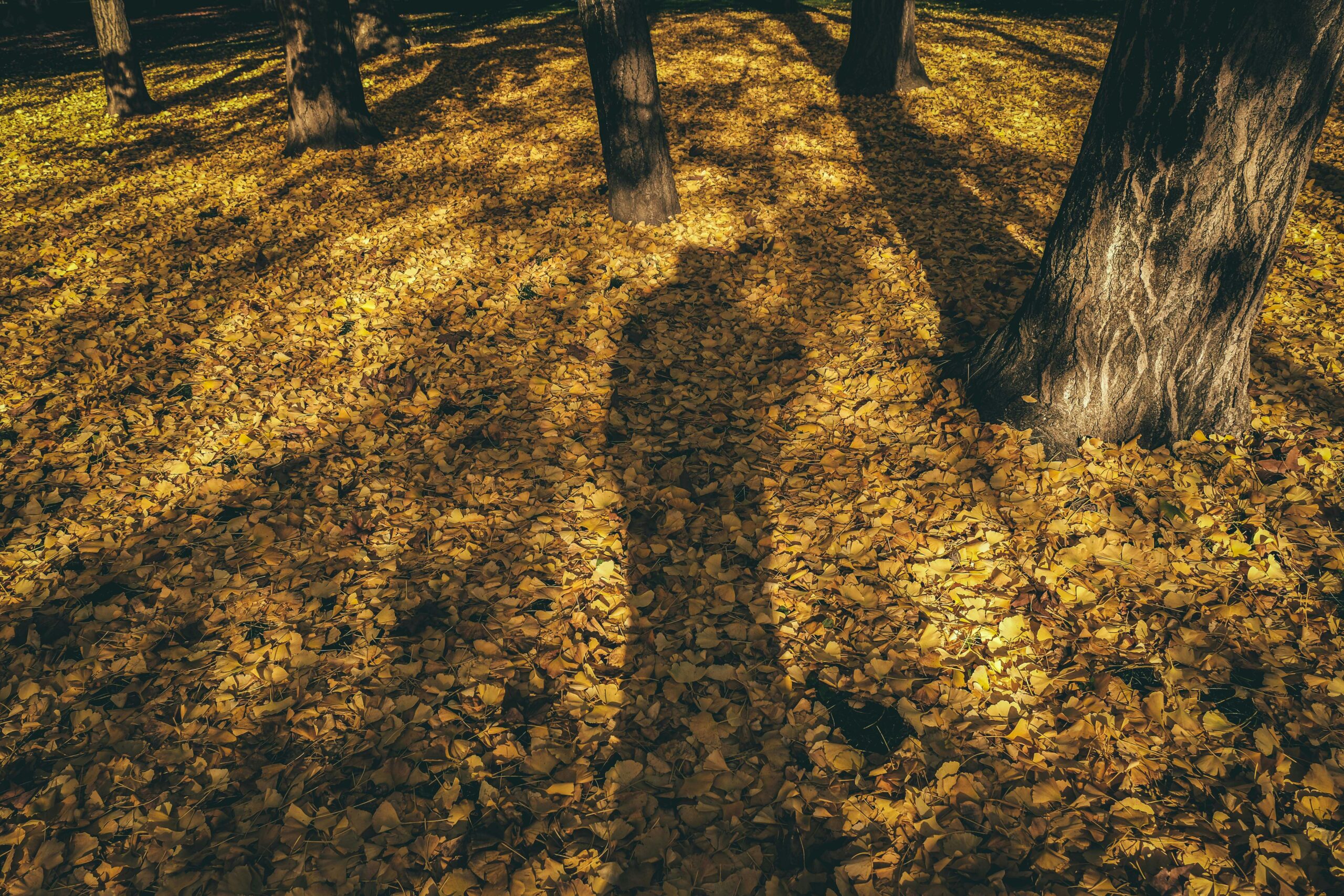
The Shadows as Sanctuary
Carl Jung wrote extensively about “the shadow”—the parts of ourselves we reject and repress because they don’t align with our conscious self-image. In Jungian psychology, psychological wholeness requires integrating these shadow aspects rather than denying them. The journey into obscurity often facilitates this integration by removing the external pressure to maintain a specific identity.
In the shadows, your contradictions can coexist. You can be both strong and vulnerable, ambitious and content, social and solitary. The consistency demanded by public identity—the need to be recognizably “yourself” across contexts—relaxes when nobody’s keeping track. This isn’t about being fake or dishonest; it’s about honoring the full complexity of human experience rather than editing yourself into a coherent brand.
Creative Rebirth in Darkness 🎨
Many artists and creators have discovered that their best work emerges during periods of obscurity. Without an audience expecting certain things from them, they’re free to experiment, fail, and explore directions that might damage their reputation. Some deliberately cultivate anonymity or use pseudonyms to escape the prison of their own success.
Elena Ferrante, the famously anonymous Italian novelist, has protected her identity for decades, arguing that the work should speak for itself without the interference of authorial celebrity. Banksy’s anonymity has arguably enhanced rather than hindered his cultural impact. These examples suggest that obscurity and influence aren’t necessarily opposed—sometimes one enables the other.
Relationships in the Shadows
Perhaps the most challenging aspect of embracing obscurity is its impact on relationships. When you stop performing a consistent identity, people who knew you primarily through that performance become confused or alienated. They may feel deceived, as if you’ve revealed that the person they knew was a lie. In truth, that person was real—but partial, a facet rather than the whole.
Some relationships cannot survive this transformation. Friendships built on shared status games or mutual validation of specific identities tend to fade when one person withdraws from those systems. This loss can be painful, but it also creates space for relationships of a different quality—ones based on genuine compatibility rather than social convenience.
Intimacy Beyond Identity 💚
The deepest form of intimacy may be allowing another person to witness your shapelessness—to see you without the protective coating of consistent identity. This requires tremendous trust and courage from both parties. It means showing up differently depending on mood, context, and internal weather, and trusting that you’ll still be accepted.
Relationships that can accommodate this fluidity often become profoundly sustaining. They create space for continuous growth and change rather than locking both parties into fixed roles. However, finding people capable of this kind of relationship requires patience and discernment. Many people are uncomfortable with ambiguity and prefer interactions where everyone plays their assigned part reliably.
The Spiritual Dimensions of Disappearance
For many who undertake this journey, the question of identity eventually leads to spiritual territory. If “you” aren’t the roles you play, the achievements you accumulate, or the personality traits you exhibit, then what are you? This question has occupied mystics and philosophers for millennia, and venturing into obscurity makes it urgently personal rather than abstractly theoretical.
Various contemplative traditions offer frameworks for understanding selfhood beyond social identity. Buddhism speaks of anatta, the teaching that there is no permanent, unchanging self. Advaita Vedanta points toward consciousness itself as our true nature, beyond all qualities and descriptions. Christian mystics describe losing oneself in divine union. These diverse traditions converge on a common insight: our everyday sense of self is constructed and limited, and something vaster becomes accessible when we release our grip on it.
Practical Guidance for the Journey Inward 🧭
For those considering their own journey into obscurity, certain practices can facilitate the transition while minimizing unnecessary suffering:
- Start small: You don’t need to delete all social media and move to a cabin immediately. Begin with small withdrawals and observe their effects.
- Journal privately: Create space for unperformed thoughts that nobody will read or judge.
- Cultivate boredom: Allow yourself unstructured time without the compulsion to document or optimize it.
- Question your preferences: Regularly examine whether you actually like something or just think you should.
- Experiment with anonymity: Try activities where nobody knows your history or reputation.
- Reduce self-monitoring: Notice how often you’re watching yourself from the outside, and practice dropping that observer.
When Obscurity Becomes Avoidance
It’s important to distinguish between healthy withdrawal and pathological avoidance. Retreating from performative identity is very different from isolating due to depression, anxiety, or unprocessed trauma. The former comes from a place of strength and self-knowledge; the latter from fear and pain.
If your desire for obscurity is primarily driven by shame, social anxiety, or fear of judgment, it may be worth addressing those underlying issues before making major life changes. Therapy, medication, or other forms of support might be more appropriate than radical lifestyle shifts. The goal is liberation, not merely escape.
The Paradox of Invisible Influence 🌊
One of the unexpected discoveries many people make in obscurity is that influence doesn’t require visibility. When you stop trying to impact how others perceive you, you sometimes find you can affect them more genuinely. A quiet conversation can change someone’s life more profoundly than a thousand public posts. Small acts of kindness with no witnesses can ripple outward in ways self-promotional generosity never does.
This paradox exists because people sense the difference between performed virtue and actual goodness, between strategic authenticity and the real thing. When you have no personal brand to protect or advance, your actions come from purer motives, and others respond to that purity even if they can’t articulate what they’re sensing.
Living Without Legacy
Perhaps the ultimate test of embracing obscurity is releasing attachment to legacy—the desire to be remembered, to have made a mark, to matter beyond your lifetime. This fear of being forgotten drives enormous amounts of human behavior, from having children to creating art to building institutions. What remains when you acknowledge that you will almost certainly be forgotten, and that this is perfectly fine?
Freedom, it turns out. When you don’t need to create something lasting, you can engage fully with what’s temporary. You can invest completely in conversations that won’t be recorded, experiences that won’t be photographed, kindnesses that won’t be credited to you. The present moment becomes sufficient, rather than merely material for constructing future memory.
The Quiet Revolution of Disappearing
In a culture addicted to visibility, choosing obscurity is a radical act. It refuses the premise that existence requires an audience, that life must be documented to be real, that identity should be consistent and publicly legible. By vanishing into the shadows, you implicitly challenge these assumptions and create permission for others to question them as well.
This isn’t about everyone retreating from public life—society requires participation and engagement. But the possibility of withdrawal, the knowledge that you could step away if you chose to, fundamentally changes your relationship with visibility. You participate by choice rather than compulsion, and that makes all the difference.
The journey into obscurity is not for everyone, nor should it be. Some people genuinely thrive in the public eye, and their contributions require visibility. But for those who feel the weight of performed identity, who sense that something essential is being lost in constant self-display, the shadows offer refuge and possibility. There, in the quiet spaces away from scrutiny and expectation, you might discover who you are when nobody’s defining you—or perhaps, beautifully, discover that you don’t need to be anyone at all.
