
Anúncios
Discovering truth after opportunities for change have passed represents one of humanity’s most profound experiences—a moment when clarity arrives too late to alter what has already unfolded.
🕰️ The Weight of Delayed Recognition
Throughout human history, countless individuals have faced the devastating realization that crucial information came to light only after decisions were made, relationships ended, or opportunities vanished. This phenomenon touches every aspect of our lives—personal relationships, professional choices, historical events, and societal transformations. The pain of belated truth carries a unique sting because it combines loss with the haunting question: “What if I had known?”
Anúncios
The concept of truth arriving too late isn’t simply about regret; it’s about the fundamental human struggle with time’s irreversible nature. We live in a linear timeline where actions create consequences that cannot be undone, only responded to. When truth emerges after critical moments have passed, we’re forced to reconcile what we know now with what we did then, creating a cognitive and emotional tension that shapes our understanding of ourselves and our world.
💔 Personal Relationships and Belated Understanding
Perhaps nowhere is delayed truth more painful than in personal relationships. Consider the spouse who discovers their partner’s true feelings only after divorce papers are signed, or the parent who finally understands their child’s struggles years after irreparable damage occurred. These situations illuminate how incomplete information shapes our most intimate connections.
Anúncios
Research in relationship psychology demonstrates that many partnerships dissolve due to miscommunication rather than fundamental incompatibility. The tragedy compounds when former partners later gain insight into what went wrong—understanding that arrives when the relationship has already ended and both parties have moved on. This belated clarity often reveals that resolution was possible, but timing made redemption impossible.
The Archaeology of Misunderstood Intentions
Human communication operates on multiple layers—spoken words, unspoken emotions, cultural contexts, and personal histories. When we interact with others, we’re constantly interpreting signals through our own filters, which sometimes leads to catastrophic misunderstandings. A gesture meant as protective might be perceived as controlling; silence intended as respect might be experienced as indifference.
Years later, when circumstances allow for honest reflection or when third-party perspectives emerge, the true nature of past interactions often becomes clear. Someone discovers that a parent’s strictness stemmed from fear rather than disapproval, or that a friend’s distance resulted from personal crisis rather than rejection. By then, the relationship has already transformed or ended, shaped by the misinterpretation rather than the reality.
🏢 Professional Crossroads and Missed Opportunities
The professional realm offers countless examples of truth that arrives after critical decisions have locked individuals into specific life paths. The employee who learns their dream company was interested in hiring them—years after accepting another position. The entrepreneur who discovers market conditions were perfect for their venture—but only after choosing a different career entirely.
These situations carry particular weight because professional choices often involve significant investments of time, money, and identity. When someone realizes they misread a situation or lacked crucial information during a pivotal career moment, they face not just the loss of an opportunity but potentially years of misdirected effort.
The Information Gap in Decision-Making
Modern decision-making theory acknowledges that humans never possess complete information when making choices. We operate in conditions of uncertainty, using available data, intuition, and advice to chart our courses. However, the gap between available information and total knowledge varies dramatically depending on circumstances, access to resources, and sometimes deliberate concealment by others.
Corporate whistleblowers often emerge years after questionable practices began, revealing information that would have altered countless employees’ decisions had it been available earlier. Similarly, industry trends that seem obvious in retrospect were opaque to those living through transitional periods. The tech professional who left their startup just before its explosive growth, or the investor who sold shares months before a major breakthrough—these stories populate the landscape of professional regret.
📜 Historical Truths and Collective Reckoning
On a larger scale, societies regularly confront historical truths that emerge decades or centuries after events occurred. Declassified documents reveal government actions that contradict official narratives. Archaeological discoveries reshape understanding of ancient civilizations. Scientific advances expose environmental damage that began generations ago.
These collective revelations force societies to reexamine their histories, identities, and trajectories. However, the people most affected by original events are often no longer alive to witness vindication or receive justice. Truth becomes a tool for future prevention rather than past correction—valuable but limited in its power to heal historical wounds.
The Archives of Concealed Reality
Government archives, corporate records, and personal documents locked away for decades create time capsules of hidden truth. When these materials become public, they often reveal that contemporary suspicions were correct, that dissenting voices accurately identified problems, and that alternative paths were possible but suppressed.
The Pentagon Papers, for example, showed American citizens that government statements about the Vietnam War contradicted internal assessments—information that could have shifted public opinion years earlier. Similarly, tobacco industry documents revealed executives knew about health risks long before admitting them publicly, a truth that came too late for many who developed smoking-related illnesses.
🧠 The Psychology of Belated Truth
Understanding how humans process delayed truth requires examining several psychological mechanisms. Cognitive dissonance occurs when new information contradicts established beliefs or past actions. The mind must reconcile the version of events we’ve constructed with newly revealed facts, a process that can be deeply uncomfortable and sometimes unsuccessful.
Hindsight bias complicates this further. Once we know how events unfolded, it becomes difficult to remember our previous uncertainty. This creates a false sense that we “should have known” or that signs were obvious—when in reality, the information necessary for different choices simply wasn’t available. This bias can transform the pain of belated truth into self-blame, adding unnecessary suffering to an already difficult situation.
The Neuroscience of Regret and Acceptance
Brain imaging studies reveal that processing regret activates similar neural pathways to physical pain. When we learn information that reveals our past choices were suboptimal, our brains react with genuine distress. This neurological response explains why belated truth can feel physically painful, not just emotionally difficult.
However, research also shows that the brain possesses remarkable capacity for reframing and acceptance. Over time, individuals can shift from focusing on what cannot be changed to extracting lessons that inform future decisions. This neural plasticity offers hope that belated truth, while initially devastating, can eventually contribute to wisdom rather than just regret.
🔍 Modern Technology and Truth Discovery
Contemporary technology has transformed both the concealment and revelation of truth. Digital footprints, data analytics, and social media create unprecedented records of events and communications. Information that previous generations might have taken to their graves now exists in recoverable formats, sometimes emerging unexpectedly years later.
This technological dimension creates new categories of belated truth. The social media post that resurfaces during a political campaign. The email thread discovered during legal proceedings. The DNA test that reveals family secrets decades after they occurred. These digital revelations demonstrate that in the modern era, truth has become simultaneously more concealed and more discoverable than ever before.
The Digital Archive of Reality
Cloud storage, blockchain technology, and distributed networks mean that information increasingly exists permanently and potentially publicly. This reality creates both opportunities and challenges for truth-seeking. Journalists, researchers, and ordinary individuals can access historical information with unprecedented ease, but they also face overwhelming volumes of data requiring sophisticated analysis.
The challenge becomes not just discovering truth but determining which truths matter and when they should come to light. The balance between privacy, transparency, and the public interest remains contested territory, with implications for how future generations will experience belated truth.
⚖️ Legal Systems and Delayed Justice
Legal frameworks worldwide struggle with how to address truth that emerges after statutes of limitations have expired or after original proceedings concluded. Criminal cases overturned by DNA evidence represent one category—situations where innocent people served years for crimes they didn’t commit, while actual perpetrators remained free. The truth eventually emerged, but not before devastating the wrongly convicted.
Civil cases face similar challenges. Victims of childhood abuse often require decades to process their experiences and come forward, by which point legal remedies may no longer be available. Environmental contamination cases frequently involve harm that manifests years after exposure, complicating both causation and accountability.
The Evolving Concept of Justice
These situations push legal systems to reconsider how justice operates across time. Some jurisdictions have extended or eliminated statutes of limitations for certain crimes. Truth and reconciliation commissions attempt to address historical wrongs even when traditional prosecution isn’t possible. These adaptations acknowledge that truth’s value extends beyond its immediate utility for changing outcomes—it also serves healing, accountability, and historical record functions.
🌱 Growing Through Untimely Revelations
Despite its pain, belated truth offers potential for growth and wisdom. Understanding why information was unavailable, how we made decisions with incomplete knowledge, and what we can learn for the future transforms passive regret into active development. This reframing doesn’t eliminate the pain of missed opportunities but adds meaning to the experience.
Many individuals report that discovering truth about their past, even when it arrives too late to change outcomes, provides valuable closure. Questions that haunted them for years finally receive answers. Self-blame based on incomplete information can be released when the full picture emerges. This resolution, while bittersweet, represents an important form of healing.
The Wisdom of Accepting Impermanence
Philosophical and spiritual traditions worldwide address the challenge of accepting what cannot be changed. Buddhism’s emphasis on impermanence, Stoicism’s focus on controlling only what is within our power, and similar frameworks provide tools for processing belated truth without becoming trapped in regret.
These approaches don’t dismiss the pain of missed opportunities but contextualize it within a broader understanding of human limitation. We make decisions with the information available at the time, within the constraints of our circumstances, shaped by our developmental stage and psychological state. Recognizing these limitations without using them as excuses represents mature engagement with reality.
🔮 Preparing for Future Truths
Understanding that truth often arrives late should inform how we approach current decisions. This doesn’t mean paralysis or endless information-gathering, but rather developing practices that increase the likelihood of having relevant information when needed and that minimize future regret regardless of what we later learn.
Documentation, transparent communication, seeking diverse perspectives, and building flexibility into major decisions all serve as insurance against the pain of belated truth. When we create conditions for information to surface more readily, we reduce the lag between reality and awareness. When we make decisions we can defend based on available information and sound reasoning, we protect ourselves from self-blame when new facts emerge.
Building a Truth-Responsive Life
Practically, this means cultivating certain habits and perspectives. Regular reflection helps identify areas where we might lack important information. Maintaining relationships with people who offer honest feedback creates channels for truth to reach us. Developing comfort with uncertainty and revision allows us to adapt when new information emerges without experiencing it as personal failure.
Additionally, treating others with the awareness that they operate with incomplete information—just as we do—fosters compassion and reduces the likelihood of creating situations where others later regret their interactions with us. This reciprocal consideration builds social environments where truth circulates more freely and promptly.
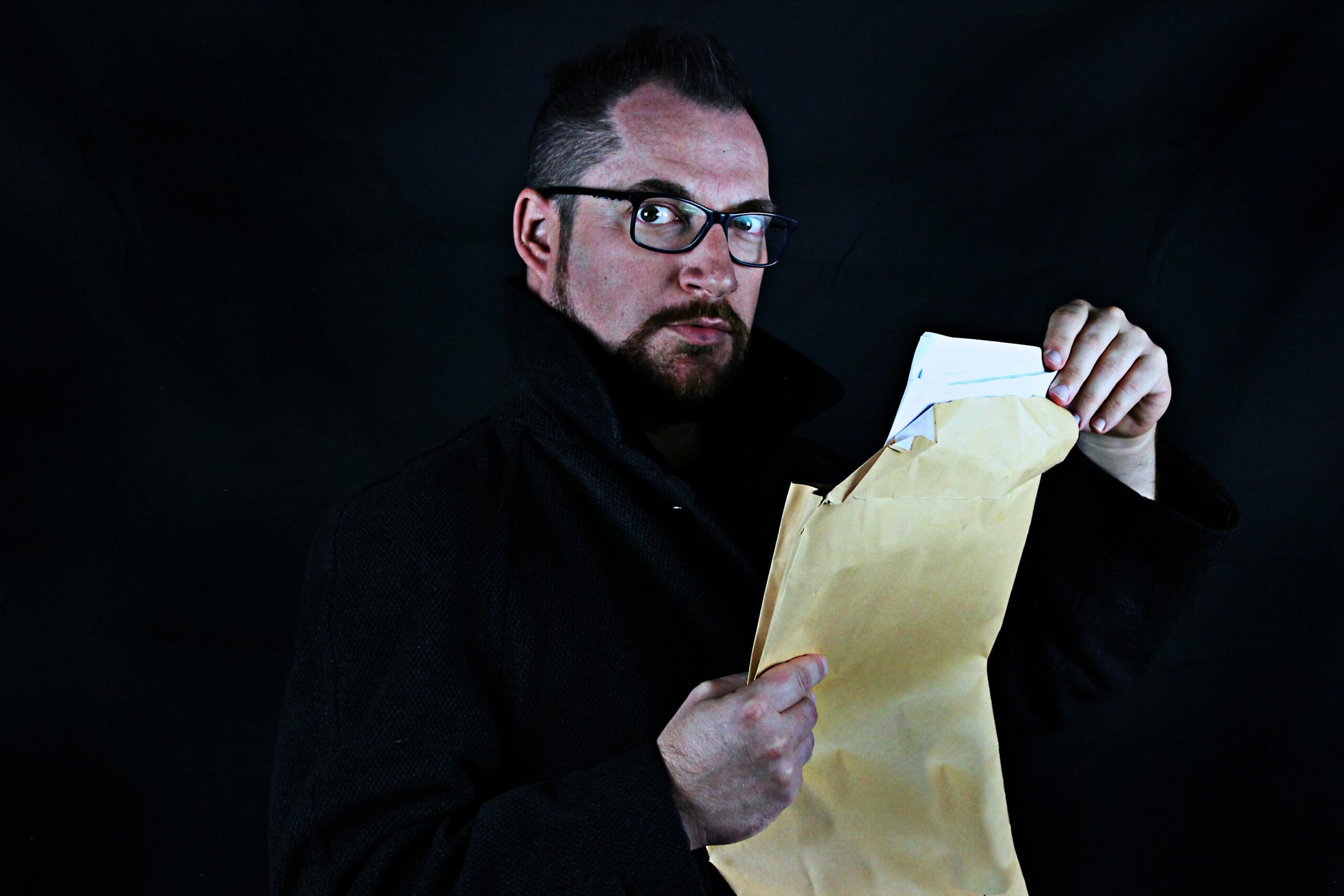
🎭 The Paradox of Timing and Truth
Ultimately, the phenomenon of truth arriving too late reveals a fundamental paradox of human existence. We live forward but understand backward, constantly making decisions based on incomplete information while time’s arrow prevents us from applying future insights to past choices. This condition isn’t a flaw to be solved but a characteristic of temporal existence to be navigated.
The most profound response to this reality combines humility about our limitations with commitment to truth-seeking anyway. We acknowledge that we’ll sometimes learn important things too late while still valuing the learning. We make peace with past decisions made with past information while remaining open to revising our understanding. We forgive ourselves and others for not knowing what wasn’t knowable at the time.
This balanced approach transforms belated truth from purely a source of pain into also a source of wisdom. Each revelation that comes too late to change the past can still change the future—if we allow it to inform rather than only torment us. The hidden reality, when finally unveiled, becomes not just a monument to missed opportunities but a teacher for whatever time remains.
In this way, truth that arrives too late still arrives. And while it cannot rewrite what has already been written, it can influence everything that follows, offering clarity, closure, and hard-won understanding that enriches our remaining journey, even as it illuminates paths we can no longer take.
