Anúncios
Life rarely follows straight lines. The most profound wisdom often emerges when we stop fighting opposing truths and start embracing the paradoxes that shape our existence.
🌓 The Uncomfortable Beauty of Contradiction
We live in a world obsessed with certainty. From childhood, we’re taught to think in binaries: right or wrong, success or failure, good or bad. Yet anyone who has truly lived knows that reality refuses to cooperate with these neat categories. The most meaningful experiences of our lives often involve holding two seemingly opposite truths simultaneously—loving someone while needing space, feeling confident yet humble, seeking stability while craving change.
Anúncios
Contradiction isn’t a problem to be solved; it’s a doorway to deeper understanding. When we encounter paradox in our lives, our first instinct is usually discomfort. Our minds scramble to resolve the tension, to pick a side, to eliminate the ambiguity. But what if this discomfort is actually pointing us toward something valuable? What if the contradictions we encounter aren’t signs of confusion, but invitations to expand our perspective?
The power of contradiction lies in its ability to shatter our limited frameworks. When two opposing truths collide in our experience, they create cracks in our rigid thinking patterns. Through these cracks, light enters. We begin to see that reality is more nuanced, more complex, and ultimately more interesting than our simplified mental models suggested.
Anúncios
Ancient Wisdom Meets Modern Complexity
Eastern philosophy has long embraced paradox as a path to enlightenment. The yin-yang symbol represents the fundamental interdependence of opposite forces—darkness contains a seed of light, light contains a seed of darkness. Neither can exist without the other. This isn’t just poetic imagery; it’s a sophisticated understanding of how the universe actually operates.
Buddhism teaches that suffering comes from attachment, yet also emphasizes compassionate engagement with the world. Taoism advises we achieve more by doing less, gain strength through yielding, and lead by following. These aren’t contradictions to be resolved—they’re complementary truths to be held in dynamic balance.
Western thought has traditionally been more uncomfortable with paradox, favoring Aristotelian logic where something cannot be both A and not-A simultaneously. Yet even here, the greatest thinkers have recognized contradiction’s creative power. The philosopher Søren Kierkegaard wrote extensively about the paradoxes of faith and existence. Quantum physics revealed that light behaves as both particle and wave, fundamentally challenging our either-or thinking.
Why Our Brains Resist Paradox
Understanding why we struggle with contradiction helps us work with it more effectively. The human brain evolved to make quick decisions based on pattern recognition. Ambiguity was dangerous for our ancestors—that rustling in the grass was either a threat or not. Hesitation could mean death.
This legacy makes us cognitive misers who prefer simple explanations over complex ones. Psychologists call this “cognitive closure”—our need to reach definite conclusions and eliminate uncertainty. When faced with contradictory information, we experience psychological discomfort called cognitive dissonance.
The usual response is to dismiss one perspective and cling to the other. We surround ourselves with confirming evidence, join tribes of like-minded people, and construct elaborate rationalizations. But this defensive strategy comes at a cost: we sacrifice depth for comfort, wisdom for certainty.
The Paradoxes That Shape Human Experience 🎭
Certain contradictions appear repeatedly in human life, regardless of culture or era. Recognizing these universal paradoxes helps us navigate them more skillfully.
The Freedom-Structure Paradox
We crave freedom—the ability to choose our path, express ourselves authentically, and live without unnecessary constraints. Yet complete freedom becomes paralyzing. Without structure, we drift aimlessly, overwhelmed by infinite options. The most creative and fulfilled people aren’t those with unlimited freedom, but those who choose their constraints wisely.
Artists understand this intuitively. Strict poetic forms like haikus or sonnets don’t limit creativity—they channel it. Musicians practice scales for years, creating discipline that eventually enables improvisation. The paradox resolves when we realize that chosen structure enables authentic freedom.
The Solitude-Connection Tension
Humans are social creatures who need meaningful connection to thrive. Yet we also need solitude—time alone to process experiences, develop our identity, and restore our energy. Neither extreme works. Complete isolation damages mental health, while constant social stimulation prevents the self-reflection necessary for genuine intimacy.
The healthiest individuals oscillate between these poles, recognizing that deep connection requires regular solitude, and that time alone gains meaning through the relationships we return to. The contradiction isn’t a problem—it’s the rhythm of a balanced life.
The Acceptance-Change Dynamic
Personal growth requires accepting ourselves as we are while simultaneously working to change. This seems logically impossible. How can we be okay with who we are and want to be different? Yet anyone who has made lasting changes knows that self-acceptance isn’t resignation—it’s the foundation for transformation.
When we reject ourselves, we create internal resistance that makes change nearly impossible. When we accept our current reality without judgment, we paradoxically create space for movement. Radical acceptance and committed action aren’t opposites—they’re partners.
Practical Strategies for Embracing Paradox ✨
Understanding contradiction intellectually is one thing; living with it skillfully is another. Here are concrete practices for developing your capacity to hold opposing truths simultaneously.
Cultivate Both-And Thinking
Notice when you think in either-or terms: “I’m either confident or insecure,” “This decision is right or wrong,” “People are good or bad.” Challenge yourself to add “and” instead of “or.” Can you be confident in some areas and insecure in others? Might this decision be right for you now and wrong for someone else? Could someone display both admirable and problematic qualities?
This isn’t about eliminating discernment or avoiding decisions. It’s about recognizing complexity before choosing a course of action. Both-and thinking doesn’t prevent commitment—it prevents narrow-mindedness.
Practice Perspective-Taking
When you hold a strong opinion, deliberately argue the opposite view as convincingly as possible. This isn’t about abandoning your values—it’s about understanding the full landscape. What valid concerns might someone with the opposite view have? What life experiences might lead a reasonable person to different conclusions?
This practice builds cognitive flexibility. You discover that most disagreements aren’t between right and wrong, but between different values, priorities, or partial perspectives. This realization doesn’t make all positions equally valid, but it does make you wiser about which battles matter.
Embrace Liminal Spaces
Liminal spaces are thresholds—neither here nor there. Transitions. In-betweens. Our culture rushes through these uncomfortable periods, eager to reach the next definite stage. But liminal spaces are where transformation happens.
When you’re between jobs, relationships, or identities, resist the urge to prematurely resolve the uncertainty. These transitional periods offer unique opportunities for insight. You’re not who you were, but not yet who you’ll become. This temporary holding of contradiction prepares you for your next chapter.
🧘 Meditation and the Paradox of Effort
Meditation practice beautifully illustrates how to work with contradiction. The instructions seem simple: pay attention to your breath. Yet the moment you try, you discover a profound paradox. The harder you try to concentrate, the more tense and distracted you become. The more you fight wandering thoughts, the more they multiply.
Skilled meditators learn to hold an unusual combination: alert yet relaxed, focused yet accepting, trying without straining. You maintain intention while releasing attachment to outcomes. This isn’t learned through intellectual understanding but through repeated experience of the paradox itself.
The lesson extends far beyond meditation. Many of life’s most important activities share this paradoxical quality. You can’t force yourself to fall asleep—you can only create conditions and allow sleep to come. You can’t make yourself creative on demand—you can only show up consistently and trust the process. You can’t force love, trust, or confidence—you can only cultivate the soil where they naturally grow.
Contradiction in Relationships and Communication
Healthy relationships require holding multiple contradictions simultaneously. You must be authentic while being tactful. You need to express your needs while remaining sensitive to your partner’s. You want to be fully yourself while also growing and adapting. You need to maintain your individuality while building genuine intimacy.
The most damaging relationship patterns often stem from collapsing these tensions prematurely. People who prioritize harmony at all costs lose themselves in relationships. Those who prioritize authenticity without consideration for impact damage trust. The goal isn’t choosing one side—it’s developing the capacity to honor both.
The Vulnerability-Boundaries Balance
Deep connection requires vulnerability—the willingness to be seen fully, including our imperfections and uncertainties. Yet vulnerability without boundaries leads to enmeshment, emotional dumping, or exploitation. Healthy intimacy involves the paradoxical practice of being open while maintaining appropriate limits.
This means sharing authentically while respecting others’ capacity to receive. It means being honest about your feelings without making them someone else’s responsibility. It means letting people in while preserving your core dignity. The contradiction resolves through wisdom—knowing when to open and when to protect, which requires ongoing attention rather than fixed rules.
Finding Meaning in Professional Life 💼
The workplace generates its own constellation of contradictions. You need to work hard while maintaining work-life balance. You should be collaborative while also standing out individually. You must be confident in your abilities while remaining open to feedback. You need to plan strategically while staying flexible.
The professionals who thrive aren’t those who eliminate these tensions but those who navigate them skillfully. They understand that excellence requires both discipline and play, that leadership involves both confidence and humility, that innovation comes from both expertise and beginner’s mind.
The Passion-Pragmatism Equation
We’re told to follow our passion, yet passion alone doesn’t pay bills or create impact. Pure pragmatism provides security but often leads to emptiness. The meaningful career path usually involves holding both: doing work you care about within realistic constraints, finding the overlap between what you love, what you’re good at, what the world needs, and what can be economically sustained.
This isn’t about compromise in the sense of settling. It’s about creative integration—finding or creating opportunities that honor multiple legitimate needs. The contradiction becomes generative when we stop seeing passion and pragmatism as opponents and start seeing them as complementary design criteria.
The Paradox of Control 🎯
Perhaps no contradiction causes more suffering than our relationship with control. We have agency—our choices matter and shape our lives. Yet we’re also subject to forces beyond our control—other people’s choices, natural events, accidents of birth and circumstance.
The serenity prayer captures this perfectly: asking for serenity to accept what cannot be changed, courage to change what can, and wisdom to know the difference. But gaining this wisdom requires holding the paradox that we’re simultaneously powerful and limited, responsible yet not omnipotent.
People who collapse this contradiction in either direction suffer. Those who overestimate control blame themselves for everything, creating unnecessary guilt and anxiety. Those who underestimate agency become passive victims, abdicating responsibility for their choices. Mature acceptance of reality involves continuously discerning where we have influence and where we must adapt.
Teaching Paradox to the Next Generation 👶
How we help young people navigate contradiction shapes their capacity for wisdom. Children naturally think in black-and-white terms—developmentally appropriate for their stage. But as they mature, we can gradually introduce complexity.
This means modeling nuanced thinking ourselves. When discussing people or situations, we can note multiple perspectives. We can acknowledge our own contradictions: “I feel nervous about this presentation and I’m also excited about sharing our work.” We can validate conflicting feelings: “It makes sense that you’re both angry with your friend and you miss them.”
By normalizing complexity rather than demanding simplicity, we prepare young people for the actual world they’ll inherit—one that requires holding multiple truths simultaneously, making decisions amid uncertainty, and finding meaning in paradox.
Living the Questions Rather Than Answers 🔍
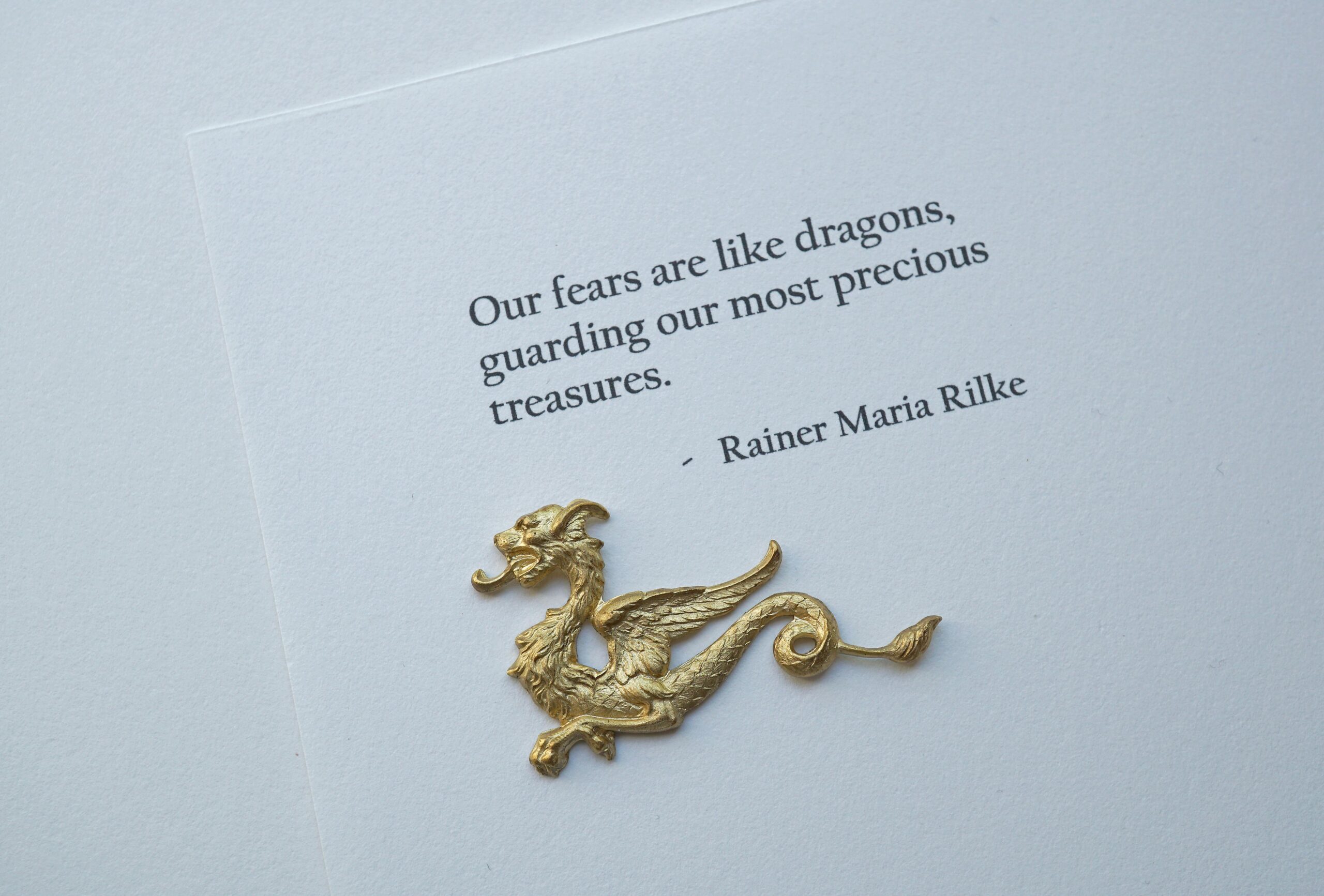
The poet Rainer Maria Rilke advised a young correspondent to “live the questions now.” Perhaps this is the ultimate practice for embracing contradiction—dwelling in the inquiry rather than rushing to resolution.
Our culture worships answers, but questions have their own generative power. When we sit with paradox rather than immediately trying to resolve it, we create space for insight to emerge. The contradiction that seemed like a problem becomes a koan—a puzzle whose value lies not in solution but in the transformation that occurs through sustained contemplation.
This doesn’t mean abandoning critical thinking or never reaching conclusions. It means recognizing that the most important truths often have a paradoxical quality that transcends simple formulation. We can make decisions and take action while remaining open to mystery, committed to our current understanding while knowing it will evolve.
Weaving the Threads Together 🌈
Life’s deepest meanings emerge not despite contradiction but through it. The tensions we experience—between freedom and structure, solitude and connection, acceptance and change—aren’t obstacles to wisdom but pathways toward it. When we stop fighting paradox and start embracing it, we access a more sophisticated understanding of reality.
This shift requires courage because it means releasing our grip on certainty. It demands humility because it means acknowledging the limits of our perspective. It takes practice because our minds naturally resist ambiguity. But the rewards are substantial: greater wisdom, deeper relationships, more authentic living, and increased resilience in a complex world.
The invitation isn’t to believe contradictory things or abandon logic. It’s to recognize that reality is more multidimensional than binary thinking allows. It’s to develop the capacity to hold opposing truths in creative tension, allowing that tension to generate insight rather than anxiety. It’s to find freedom not in resolving every paradox but in dancing skillfully with the ones we cannot resolve.
As you move forward, notice where contradictions appear in your own life. Rather than rushing to eliminate the tension, pause. Ask what this paradox might be teaching you. Experiment with holding both truths simultaneously. Practice both-and thinking. Embrace the liminal spaces. Live the questions. The meaning you seek may emerge not from choosing one side or the other, but from the wisdom that develops as you learn to embrace both.
