
Anúncios
Life moves in whispers and shadows, each second dissolving into memory before we can truly grasp it. The beauty lies not in permanence, but in the delicate dance of moments that never stay.
We live in an age obsessed with preservation—capturing every meal on Instagram, documenting every milestone, archiving every conversation. Yet somewhere beneath this compulsion to freeze time lies a profound anxiety: the fear that if we don’t hold on tight enough, everything meaningful will slip through our fingers like sand. But what if the very act of clinging is what prevents us from experiencing the raw, unfiltered beauty of existence?
Anúncios
The Japanese have a concept called “mono no aware”—a bittersweet awareness of the impermanence of all things. It’s the gentle melancholy we feel watching cherry blossoms fall, knowing their beauty is amplified precisely because it doesn’t last. This ancient wisdom invites us to find joy not despite life’s temporary nature, but because of it.
🌸 The Philosophy of Impermanence Across Cultures
Throughout human history, cultures worldwide have grappled with temporality and found profound wisdom in accepting rather than resisting it. From Buddhist teachings on anicca (impermanence) to the Greek philosopher Heraclitus declaring that “no man ever steps in the same river twice,” humanity has long recognized that change is the only constant.
Anúncios
In Tibetan Buddhism, monks spend days creating intricate sand mandalas—geometric patterns of colored sand arranged with meticulous precision. Once completed, these masterpieces are ceremonially destroyed, swept away as a meditation on impermanence and non-attachment. The mandala’s destruction isn’t tragic; it’s the culmination of its purpose, teaching us that beauty doesn’t require permanence to be valuable.
The ancient Stoics practiced a technique called “memento mori”—remembering death. Rather than morbid pessimism, this practice cultivated gratitude and presence. Marcus Aurelius wrote in his Meditations about viewing each action as though it might be his last, not to inspire fear, but to encourage living fully in each moment.
Western Culture’s Struggle with Letting Go
Modern Western society often treats impermanence as a problem to be solved rather than a truth to be embraced. We invest billions in anti-aging products, preservation technologies, and legacy-building endeavors. We create digital clouds to store every photo, backup every file, and maintain immortality through data.
This resistance to the ephemeral creates suffering. When we believe things should last forever, every ending feels like failure. Relationships that run their natural course become “failed” rather than complete. Career changes become crises rather than evolutions. Aging becomes something to fight rather than a privilege denied to many.
✨ Finding Freedom in the Fleeting
Embracing impermanence isn’t about becoming passive or nihilistic. It’s about recognizing that life’s temporary nature gives it meaning and urgency. When we accept that nothing lasts forever, we stop taking presence for granted.
Consider the difference between artificial and real flowers. Artificial flowers last indefinitely, requiring no care, never wilting. Yet they fail to move us the way fresh blooms do. A bouquet of roses carries emotional weight precisely because we know it won’t last. We appreciate it now because there won’t be infinite opportunities to appreciate it later.
This principle extends to every aspect of life. The sunset is breathtaking because it will be gone in minutes. Childhood is precious because it passes. Summer evenings feel magical because winter approaches. Even pain and difficulty become more bearable when we remember they too are temporary.
Practical Ways to Embrace Transience
Developing an appreciation for life’s ephemeral nature requires intentional practice. Here are meaningful approaches that can shift your perspective:
- Practice mindful observation: Spend five minutes daily simply noticing something that changes—clouds moving, tea cooling, a candle burning down—without trying to capture or preserve it.
- Create temporary art: Draw in sand, arrange stones on a beach, create chalk drawings on pavement. Make something beautiful knowing it won’t last.
- Release one attachment weekly: Give away something you’ve been holding onto “just in case.” Notice how letting go creates space rather than loss.
- Keep a “moments journal”: Instead of documenting achievements, record fleeting experiences—the smell of rain, a stranger’s smile, the taste of morning coffee.
- Practice saying goodbye: When leaving places, ending conversations, or finishing activities, consciously acknowledge the ending rather than rushing to the next thing.
🌊 The Seasons of Human Experience
Nature models impermanence beautifully through seasons. Trees don’t resist autumn’s arrival or mourn their falling leaves. They surrender to the cycle, trusting that spring will return. This wisdom applies directly to human experience.
We experience seasons in relationships, careers, interests, and identities. The friend who once understood you perfectly might drift apart as you both change. The career that once fulfilled you might lose its meaning. The hobbies that consumed you might fade. These transitions aren’t failures—they’re natural progressions.
Fighting these seasons creates misery. Trying to keep a relationship alive past its natural expiration generates resentment. Clinging to an identity you’ve outgrown prevents growth. Resisting change doesn’t stop it; it only makes the transition more painful.
Honoring Completeness Over Permanence
What if we measured experiences by their completeness rather than their duration? A friendship that lasts two years but transforms both people holds more value than a decades-long connection maintained through obligation. A three-month romance that teaches profound lessons about love succeeds even if it ends.
This perspective shift liberates us from the tyranny of “forever.” We can love intensely without needing promises of permanence. We can invest fully in projects without requiring guaranteed outcomes. We can commit to growth without knowing where it leads.
📱 Technology and the Illusion of Permanence
Our digital age creates a peculiar relationship with impermanence. We simultaneously have access to more preservation tools than ever while experiencing accelerated obsolescence in technology, trends, and attention spans.
Social media platforms encourage us to curate permanent highlight reels of temporary moments, creating the illusion that we’re capturing life when we’re actually experiencing it through screens. The irony is that in our attempts to make moments last, we miss them entirely.
Photography provides a clear example. Pre-digital era, limited film made people selective about what they photographed. Each picture was precious, taken with intention. Now we take hundreds of photos in a single day, most never viewed again. The abundance of capture has diminished rather than enhanced our connection to moments.
Digital Minimalism as Impermanence Practice
Some people are rediscovering the beauty of ephemerality through digital minimalism. They’re choosing film cameras that limit shots. They’re using apps that auto-delete messages, embracing conversations that don’t require permanent archives. They’re taking photos with their eyes rather than their phones.
This isn’t technophobia—it’s intentionality. It’s recognizing that not everything needs to be preserved, and that the act of preservation often interferes with presence.
💫 Death as the Ultimate Teacher
We cannot discuss impermanence without acknowledging death—the ultimate reminder that nothing lasts. Western culture has developed elaborate mechanisms for avoiding this reality: euphemisms like “passed away,” sequestered dying processes, and death-denying industries.
Yet death awareness, when approached skillfully, becomes life’s greatest motivator. Palliative care workers report that people facing death rarely wish they’d worked more or acquired more possessions. They wish they’d been more present, more loving, more authentic, and more willing to experience life fully.
The medieval practice of memento mori included keeping skulls on desks, wearing mourning jewelry, and incorporating death imagery into art. Rather than morbid, these practices served as constant reminders to live meaningfully because time is finite.
Living with the End in Mind
Psychologist Irvin Yalom suggests that properly confronted, death anxiety can be transformed into a catalyst for life. When we deeply accept our mortality, priorities clarify. Petty concerns diminish. Courage emerges to pursue what truly matters.
This doesn’t mean living recklessly or ignoring consequences. It means asking regularly: “If I knew this was temporary—this job, this body, this relationship, this life—how would I approach it differently?” Usually, the answer involves more presence, more gratitude, more honesty, and more love.
🎭 The Beauty of Unrepeatable Moments
Every moment is genuinely unique, never to occur again in exactly the same configuration of circumstances, people, light, emotion, and context. This should be terrifying, yet it’s actually liberating.
When you recognize that this specific conversation, this particular sunset, this exact feeling will never happen again, attention sharpens. Colors become more vivid. Words carry more weight. Touch becomes more tender.
Musicians understand this during live performances. Each concert is unique—different energy, different audience, different interpretation. Recordings can preserve notes, but they can’t capture the ephemeral magic of a particular performance on a particular night. That’s why people still attend live music despite perfect studio recordings being readily available.
Creating Rituals Around Transience
Humans have always created rituals to honor important transitions and temporary experiences. Graduations mark the end of one chapter. Funerals honor lives that have ended. Birthday celebrations acknowledge another year that won’t return.
We can create personal rituals that honor smaller transitions: lighting a candle on the last day of summer, writing letters to versions of ourselves we’re leaving behind, taking a moment of silence when finishing books or completing projects.
These rituals don’t prevent endings—they honor them. They create space to acknowledge that something meaningful is passing, allowing us to release it with gratitude rather than denial.
🌿 Impermanence and Environmental Consciousness
Our relationship with impermanence directly affects how we treat the planet. Consumer culture promotes the fantasy that we can endlessly acquire, consume, and discard without consequence. Everything is replaceable, nothing needs to last.
Embracing impermanence paradoxically leads to greater care for material things and environments. When we recognize that we only have limited time with our possessions, we choose more carefully and maintain them better. When we acknowledge Earth’s finite resources and ecosystems’ fragility, we treat them with more respect.
The “slow” movements—slow food, slow fashion, slow living—are all rooted in appreciation for impermanence. They recognize that quality experiences take time, that things crafted with care deserve to be valued, and that rushing through life means missing it entirely.
💝 Relationships in an Impermanent World
Perhaps nowhere is impermanence more challenging than in relationships. We want to believe that love, once found, lasts forever. We make promises of permanence: “‘til death do us part,” “best friends forever,” “always and forever.”
Yet people change. We grow, evolve, and sometimes grow apart. The person you married at twenty-five might be fundamentally different at forty-five. Your childhood friends might not understand your adult self. This isn’t failure—it’s humanity.
Embracing impermanence in relationships means loving fully without requiring guarantees. It means showing up completely today rather than coasting on yesterday’s connection. It means allowing people to change, including yourself, and renegotiating relationships as needed.
The Gift of Conscious Endings
Our culture lacks models for ending relationships well. We either ghost or explode, quietly drift or dramatically exit. But relationships, like lives, deserve conscious conclusions when their natural time arrives.
Acknowledging that a relationship has run its course—whether romantic, platonic, or professional—with honesty and gratitude honors what it was without pretending it should continue. This requires courage and maturity, but it’s far healthier than maintaining zombie relationships kept alive through guilt or fear.
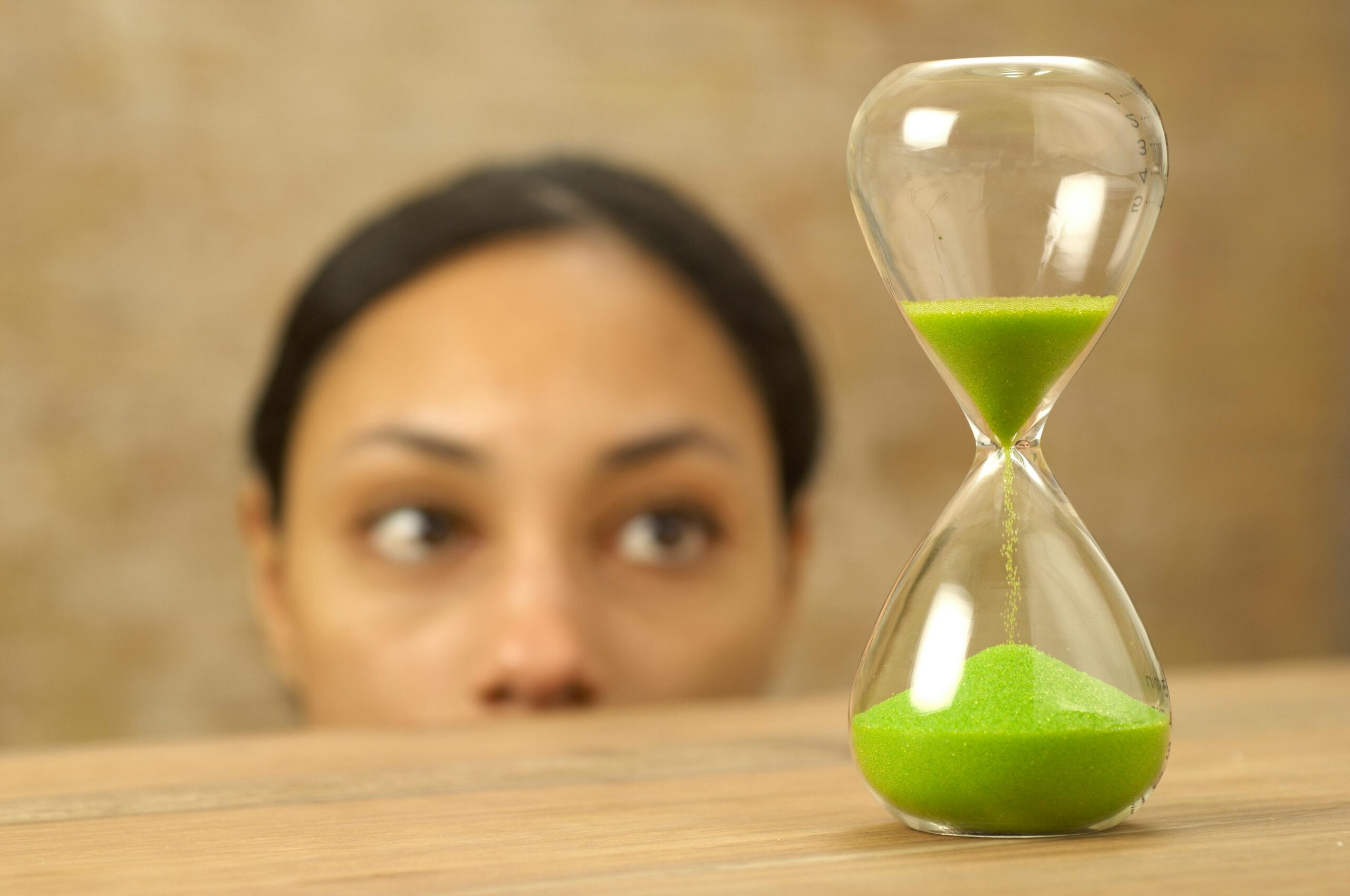
🎨 Creating Meaning in a Temporary Existence
If nothing lasts, does anything matter? This question has troubled philosophers for millennia. The answer, paradoxically, is that things matter more because they don’t last.
Meaning isn’t found in permanence but in presence. The meal you prepare with love doesn’t need to last beyond dinner to be meaningful. The conversation that shifts your perspective doesn’t need to be recorded to be valuable. The gesture of kindness doesn’t need to be memorialized to be important.
We create meaning through attention, intention, and authenticity. When we show up fully to our temporary experiences, they become complete even as they remain fleeting. The point of a sunset isn’t to last forever—it’s to be witnessed.
Embracing life’s ephemeral nature isn’t resignation or pessimism. It’s the ultimate act of courage and love. It’s choosing to dance knowing the music will end, to bloom knowing winter comes, to love knowing loss awaits. It’s recognizing that the temporary nature of all things doesn’t diminish their value—it amplifies it.
In accepting that every moment is fleeting, we discover that every moment is also precious, irreplaceable, and worthy of our complete attention. This is where true beauty lives—not in what lasts forever, but in what passes through our lives like breath, leaving us changed even as it goes. 🌟
